

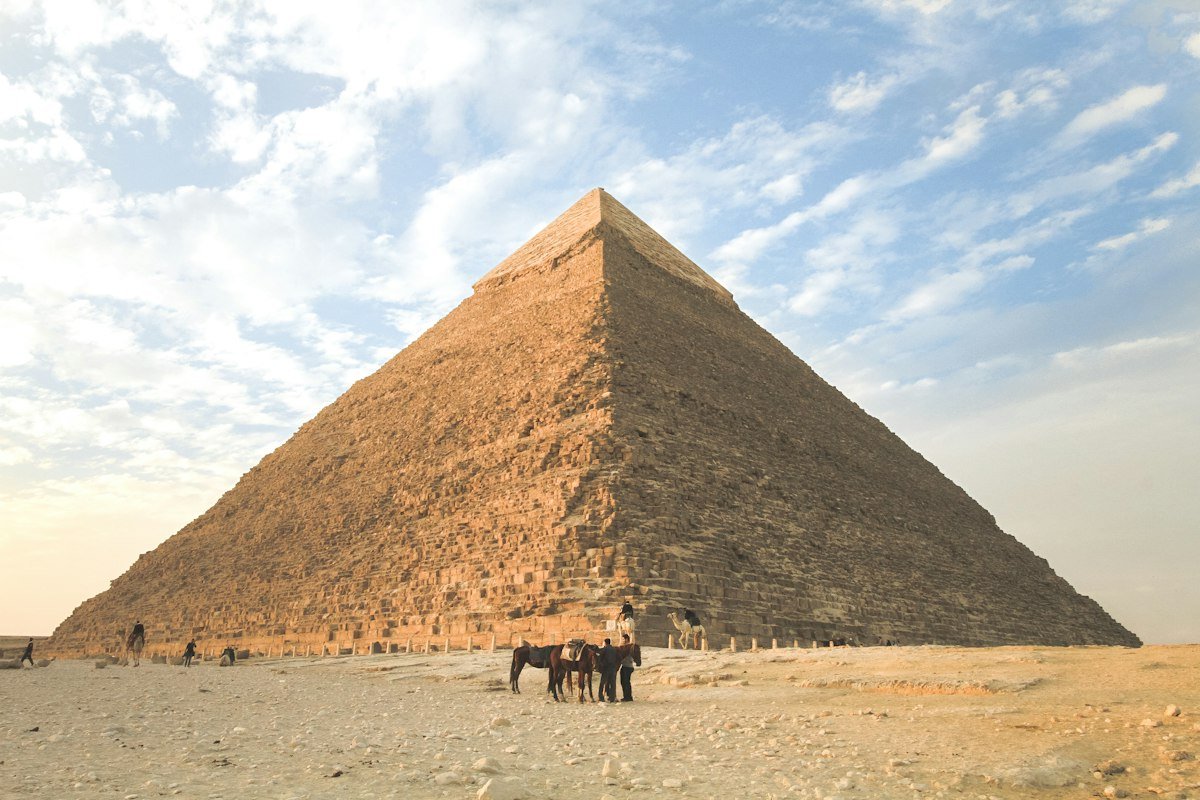
Rising majestically on the desert plateau just two kilometers from the Great Pyramids of Giza, the Grand Egyptian Museum (GEM) represents the most ambitious cultural megaproject of the 21st century. Spanning nearly 500,000 square meters, it is the largest archaeological museum complex in the world dedicated to a single ancient civilization.
The Grand Egyptian Museum at a Glance: Architecture & Scale
Designed by the Dublin-based firm Heneghan Peng Architects, the building is shaped like a chamfered triangle that radiates outwards from the Giza Pyramids. The monumental translucent alabaster facade glows warmly in the desert sun, welcoming travelers into an atrium of breathtaking grandeur.
“Walking into the Grand Atrium of the GEM feels like crossing the threshold into 3,000 years of dynastic glory. The view through the towering glass facade frames the Great Pyramids themselves.”
The Monumental Colossus of Ramses II
Upon entering the Grand Hall, visitors are greeted by the magnificent 3,200-year-old red granite colossus of Pharaoh Ramses II. Standing over 11 meters tall and weighing 83 tons, this ancient masterpiece was discovered in Memphis in 1820 and now stands as the museum’s eternal guardian.
The Grand Staircase: An Ascending Journey Through Time
Rising through the museum is the monumental Grand Staircase, featuring 64 world-class statues, sarcophagi, and royal stelae arranged chronologically. As you ascend, artifacts transition from Old Kingdom deities to New Kingdom warrior pharaohs, culminating in an awe-inspiring panoramic vista through a four-story glass wall framing the Pyramids of Khufu and Khafre.
The Complete Tutankhamun Galleries: 5,000 Treasures Reunited
The crown jewel of the Grand Egyptian Museum is the dedicated 7,000-square-meter King Tutankhamun Wing. For the past century, the boy king’s funerary treasures were scattered across multiple institutions or locked inside conservation vaults.
Today, for the first time since their 1922 discovery by Howard Carter in the Valley of the Kings, all 5,398 artifacts are exhibited together in climate-controlled, museum-grade vitrines with dramatic fiber-optic lighting.
- The Iconic Golden Death Mask: Crafted from 11 kilograms of solid 24-karat gold inlaid with lapis lazuli, turquoise, and carnelian.
- The Solid Gold Inner Coffin: Weighing over 110 kilograms of pure hammered gold.
- The Royal Gilded Chariots & Beds: Elaborately carved ritual furniture adorned with protective feline and bovine goddesses.
- Personal Artifacts: The king’s childhood sandals, ostrich-feather fans, and intricately beaded pectorals.
Practical Visitor Information: Tickets, Hours & Best Time to Visit
To ensure a seamless visit without enduring long ticket queues, consider these essential recommendations from our Cairo Egyptologist team:
Recommended Visiting Window
Plan for a minimum of 3 to 4 hours to explore the main galleries and Tutankhamun wing. The museum opens daily at 9:00 AM. We strongly recommend visiting during the morning hours or early afternoon on weekdays (Sunday through Thursday) to enjoy an uncrowded atmosphere.
Combining GEM with the Giza Pyramids
Because the Grand Egyptian Museum sits right beside the Giza Plateau, combining both wonders into a single full-day private tour is the ultimate Cairo experience. Start with the Great Pyramids and Sphinx in the morning light, enjoy a traditional Egyptian lunch, and spend the afternoon immersed in the air-conditioned galleries of the GEM.



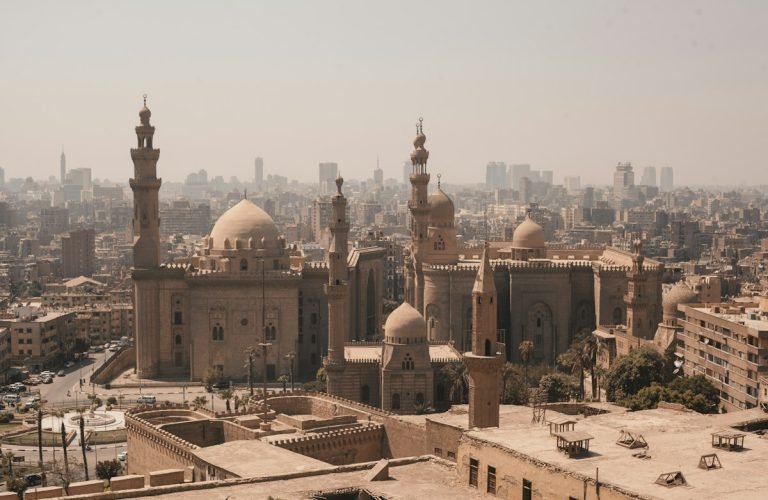
We are visiting Cairo this November! Is it feasible to see both the GEM and the Giza Pyramids on the same day without feeling rushed?
Hello Sarah! Absolutely. We recommend starting at the Giza Plateau at 8:00 AM when the morning light is magical and temperatures are pleasant. After lunch at 12:30 PM, spend 1:30 PM to 5:30 PM inside the climate-controlled GEM. Having a private driver and guide makes the logistics effortless.
Are wheelchair accessibility and elevators available throughout the museum for elderly travelers?
Yes Markus, the Grand Egyptian Museum is fully ADA-compliant and state-of-the-art with wheelchair ramps, tactile pathways, and panoramic elevators throughout all floors.